
Beehive Blog
Insights, guides, and expert advice to help your business thrive in the digital age.
You want more tools? It won’t Solve the Real Problem.
Over the past decade, running a business has become increasingly digital. Tasks that once required paper, phone calls, or manual spreadsheets are now handled by software platforms designed to automate, organize, and accelerate operations.

Why AI matters
Every week, we talk to small business owners who are curious about AI. And almost every conversation starts the same way. Not with excitement. With anxiety. “I keep hearing about AI but I don’t know where to start.” “It feels like it’s for big tech companies, not for someone like me.” “I’m worried I’ll make the wrong move and fall behind.” That anxiety is completely understandable. And it’s also, we’d argue, largely manufactured.
Best software leading the way in 2026
Quebec is home to more than 228,000 small employer businesses — the second-largest concentration in Canada, behind only Ontario. These businesses collectively employ 22% of Canada’s private sector workforce, powering industries from construction and food services to professional services, retail, and manufacturing.

Too many software?
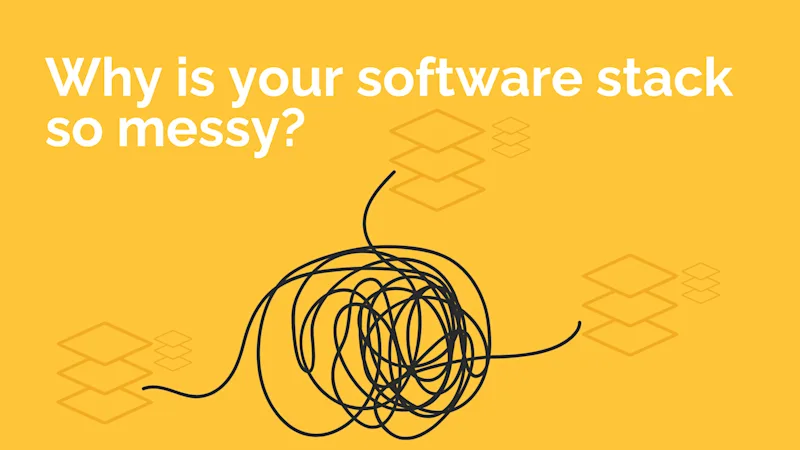
Open almost any kitchen drawer in a busy household and you’ll probably find the same thing. Rubber bands. Old batteries. Random cables that no one remembers buying. A screwdriver that somehow ended up next to a stack of takeout menus. It’s not organized. It’s not intentional. But everything in that drawer got there for a reason. Surprisingly, the same thing happens with technology inside many small and medium-sized businesses. Over time, software tools accumulate one by one until the company’s technology stack begins to resemble something very familiar: a junk drawer.
Is your software discoverable?
Every SaaS company starts with a clear idea of who they’re building for. A defined ideal customer profile. A problem they believe they solve better than anyone else. A vision of how their product fits into a business’s daily operations. And yet, despite all this clarity internally, many SaaS companies face the same frustrating reality: the right customers don’t know they exist